
By Steven Norris
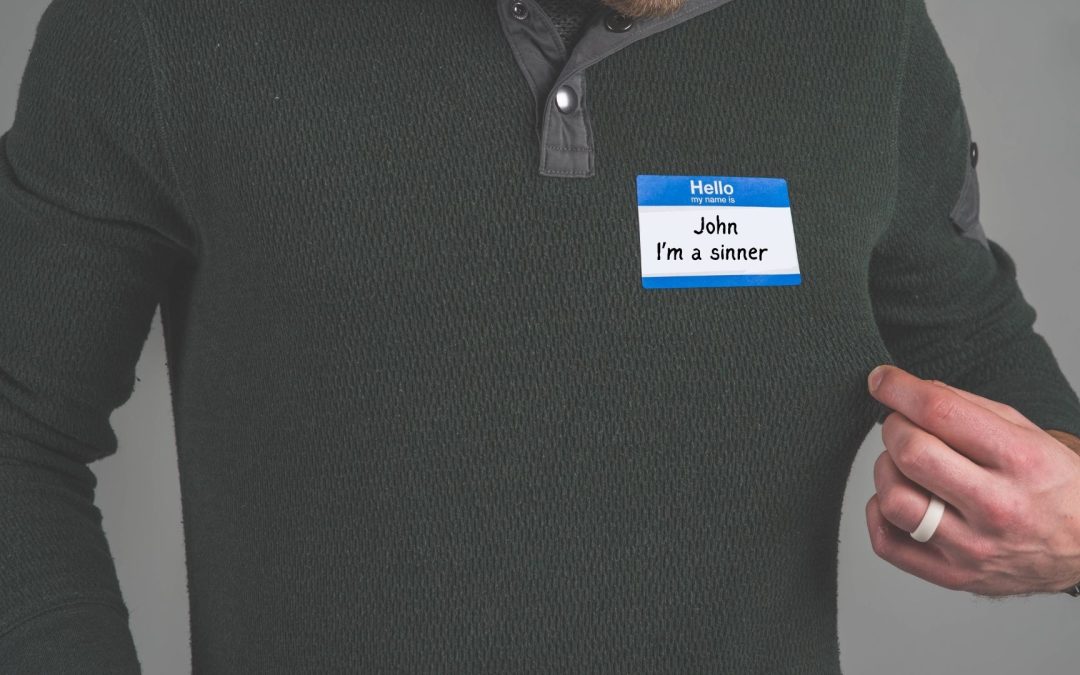
No one likes to admit to being wrong. Of course, we all make mistakes, but taking responsibility for those mistakes is becoming more and more rare. In the Twelve Step tradition, the “ticket for entry” is admission of one’s failure and defeat. “Hi. I’m John, and I’m an addict.” Similarly, the entry point to the community of faith is an admission of one’s neediness. “Hi. I’m Steven, and I’m a sinner.”
The scripture teaches that none of us is immune. Paul’s letter to the Romans states, “There is no distinction, since all have sinned and fall short of the glory of God” (10:23). In Isaiah, we learn that even our good deeds fall short of God’s standards: “We have all become like one who is unclean, and all our righteous deeds are like a filthy cloth” (64:6).
Isn’t it interesting that Jesus teaches us to pray this prayer in the plural? Jesus teaches not only to pray for things “I” did, but for the things “we” did. In both Jewish and Christian contexts, it is common for worshippers to pray a corporate confession, naming specific items for which they need forgiveness. I am sure that there are times that someone is praying and catches themselves: “I didn’t do that! Why am I confessing that? I’m not responsible for… I didn’t cheat on… I didn’t lie about… I didn’t manipulate that person… I didn’t do/think.say that.” We live in an era of “personal responsibility (liability).” Admitting one’s own faults and failures is hard enough, but confessing to something you did not do feels unjust.
Jesus, however, teaches us a different way. Scripture teaches that we are the “Body of Christ” (1 Corinthians 12). When one part of the body rejoices, all rejoice. When one part of the body mourns, all mourn. When one part of the body sins, we are all affected and so we all confess — together: “Forgive us . . .”
Here is one example of a modern corporate prayer of confession: Most merciful God, we confess that we have sinned against you in thought, word, and deed, by what we have done, and by what we have left undone. We have not loved thee with our whole heart; we have not loved our neighbors as ourselves. We are truly sorry and we humbly repent. For the sake of thy Son Jesus Christ, have mercy on us and forgive us; that we may delight in thy will, and walk in thy ways, to the glory of thy Name. Amen (Book of Common Prayer).
To confess is throw ourselves on the mercy of God and to trust the promises of the scripture: “If we say that we have no sin, we deceive ourselves, and the truth is not in us. If we confess our sins, he who is faithful and just will forgive us our sins and cleanse us from all unrighteousness” (1 John 1:8-9).Thanks be to God for a mercy that does not give us what we deserve and comes to us new every morning!